Practice area
Contract disputes
When the other side does not perform—or disputes what a deal means—clear legal analysis can protect your position.
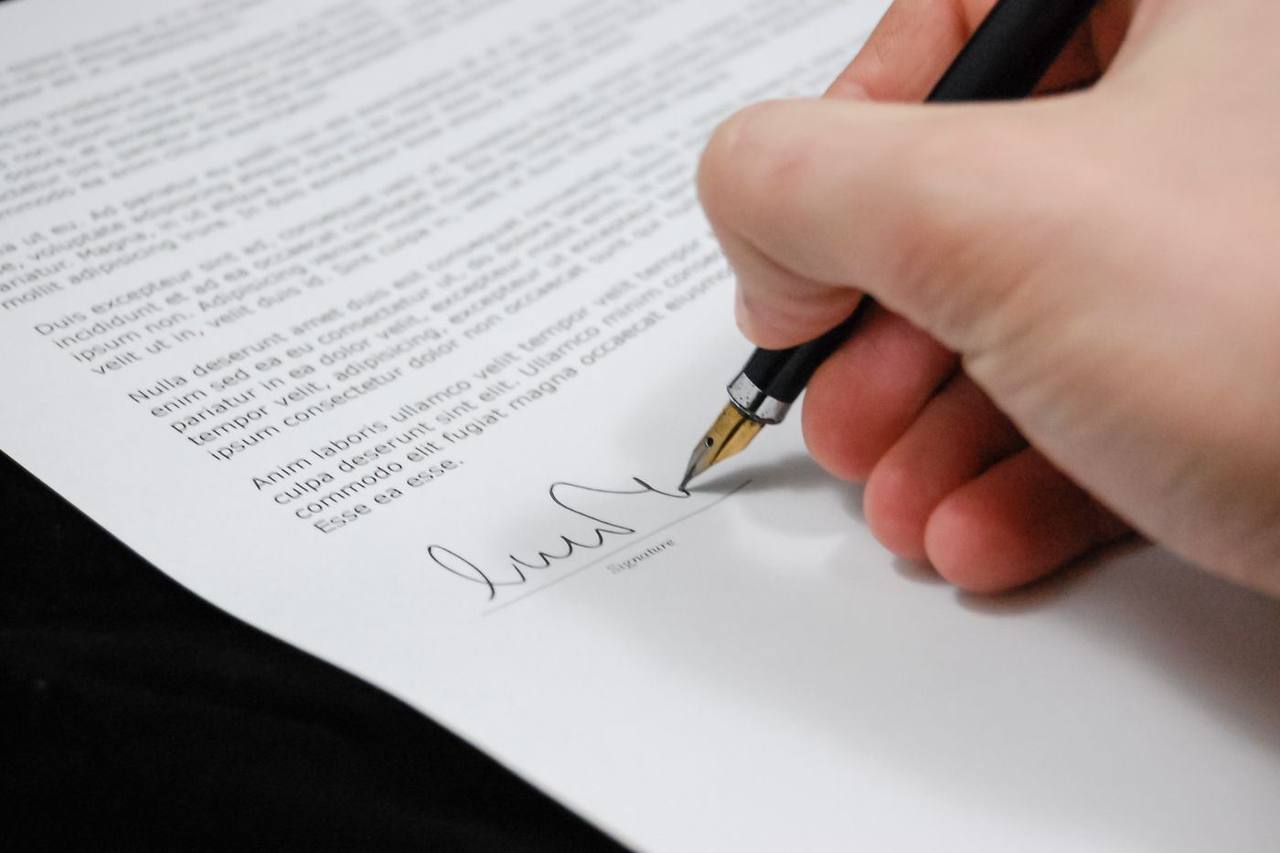
Contract disputes rarely start with an argument over words on a page — they start with someone not doing what they said they would do — a supplier that missed a delivery, a former employee who ignored a non-compete, a buyer who walked away from a real estate closing. When that happens, the questions that matter are whether a valid contract existed, what it actually required, whether it was broken, and what you are entitled to recover. I help clients throughout Kansas work through those questions, whether the path forward is a firm conversation with the other side or a lawsuit.
As a Kansas-licensed attorney practicing with Smith Law Firm in Topeka, I represent individuals and business owners in disputes over vendor and supplier agreements, employment contracts and non-compete clauses, real estate purchase agreements, and other written and oral commitments. Under Kansas law, a breach of contract claim generally requires a valid, enforceable contract — performance — or a legally valid excuse for not performing — by the party seeking to enforce it — a breach by the other side — and damages that resulted from that breach. Each of those elements can end up being the whole fight, which is why I start by reading the contract itself rather than either side's account of what it was supposed to mean.
Some of the disputes I see most often involve a vendor or supplier who did not deliver goods or services as promised, a departing employee or business partner who disregards a non-compete or confidentiality agreement, or a buyer or seller who backs out of a real estate contract before closing. Timing matters in all of these — Kansas generally allows five years to sue on a written contract and three years on an oral one (K.S.A. 60-511 — K.S.A. 60-512), while contracts for the sale of goods under the Uniform Commercial Code carry their own four-year window (K.S.A. 84-2-725). Certain agreements — including most contracts for the sale of real estate — must be in writing to be enforceable at all under Kansas's statute of frauds (K.S.A. 33-106). Non-compete agreements are their own category — Kansas courts will only enforce a restriction to the extent it is reasonable in duration and geographic scope and protects a legitimate business interest, which means a clause that looks airtight on paper can still fail in practice.
When a contract has been broken, Kansas law generally aims to put the harmed party back in the position they would have been in had the deal been honored, most often through money damages. In narrower circumstances — particularly contracts involving real estate or other unique property — a court may instead order specific performance, requiring the other side to actually complete the deal rather than simply pay for the difference. Litigation is not always the right first step. Many contract disputes resolve faster, and for less cost, through a clear demand letter or direct negotiation once the other side understands the strength of the claim and what continued refusal could cost them. I evaluate each situation on its own facts before recommending whether negotiation, mediation, or filing suit gives you the better path forward — and I handle related business and corporate disputes when a conflict grows beyond a single contract.
How I approach contract dispute matters
- Read the contract first, not just the disagreement — the language on the page, not memory or intent, usually decides who is right.
- Weigh negotiation against litigation honestly, based on realistic cost, time, and what you actually need to recover.
- Prepare every file as though it may end up in front of a judge, even when the goal is a fast resolution.
No attorney can guarantee a particular result. Every contract and every dispute is different, and past results of any attorney do not guarantee future outcomes. This page is general information, not legal advice, and does not create an attorney-client relationship. As a Kansas-licensed attorney practicing with Smith Law Firm in Topeka, I represent clients there as well as in Junction City, Manhattan, and statewide across Kansas — contact the firm to discuss your situation.
Next step
Ready to talk about your Kansas matter?
Call or request a free case evaluation through Smith Law Firm. Every case is unique—past results do not guarantee future outcomes.