Practice area
Motor vehicle collision representation
Car accidents can change life in a blink—medical bills, time away from work, and uncertainty about what comes next.
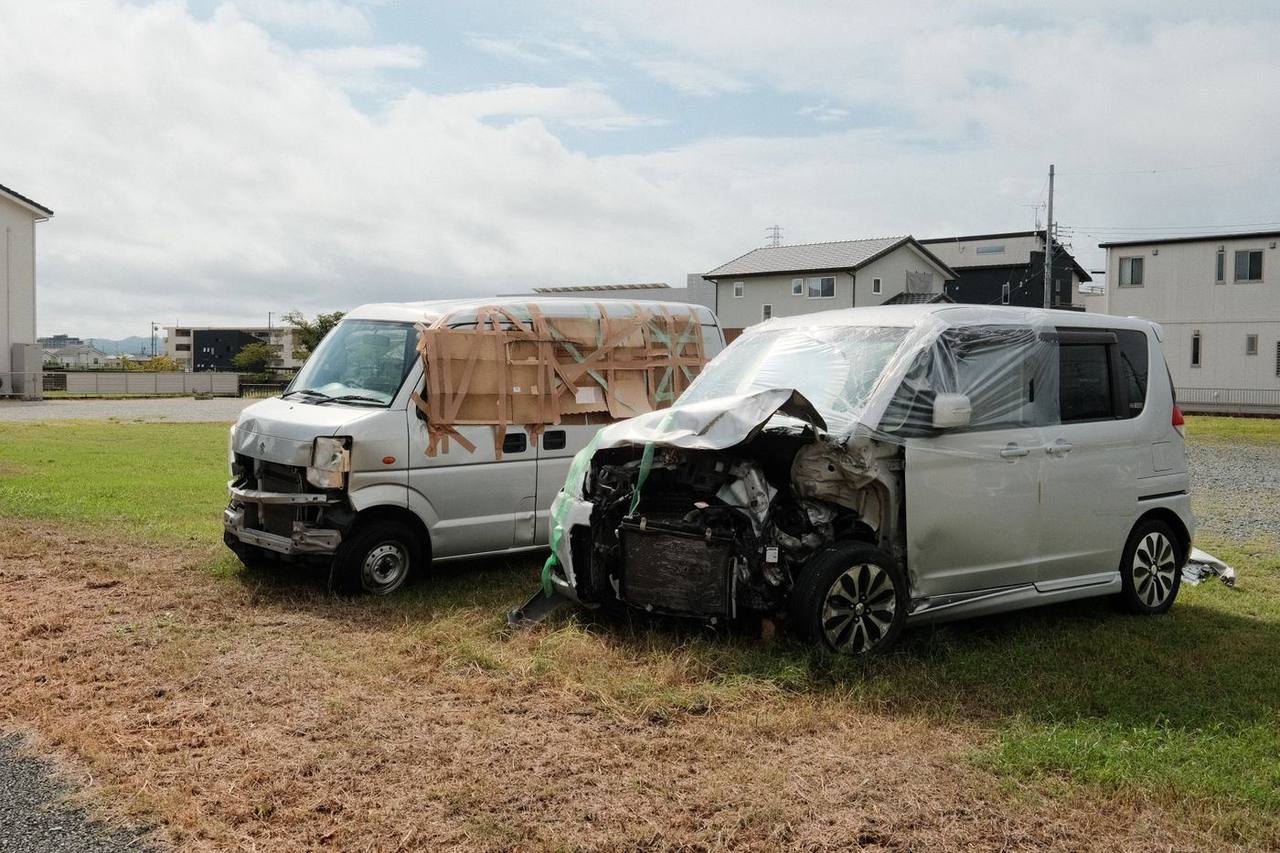
A car or motorcycle crash can turn an ordinary Tuesday into months of medical appointments, insurance phone calls, and missed paychecks. I represent Kansas drivers, passengers, and motorcyclists who were hurt because someone else on the road was careless—texting behind the wheel, running a red light, following too closely, or simply not seeing a motorcycle until it was too late. This page focuses on car and motorcycle collisions — if a commercial truck or semi was involved, my truck accident page covers the additional trucking regulations that come into play.
Kansas follows a modified comparative fault rule under K.S.A. 60-258a. In practice, that means you can still recover damages even if you were partly to blame for a crash—as long as your share of fault stays under 50%. If you're found 50% or more at fault, Kansas law bars recovery entirely, and below that line your damages are simply reduced by whatever percentage of fault a jury or insurer assigns you. Insurance adjusters know this rule well, and it's not unusual for one to nudge blame onto an injured driver or rider specifically to shrink or eliminate a payout. Part of my job as a Kansas-licensed attorney is making sure the fault picture presented to an insurer, or to a court, reflects what actually happened—not just what's convenient for the company writing the check.
Kansas also requires drivers to carry personal injury protection, or PIP, coverage under the state's no-fault insurance law. PIP is meant to pay a portion of your medical bills and lost income shortly after a crash, regardless of who caused it. It's a starting point, not a ceiling—serious injuries routinely outpace what PIP covers, and that's when a claim against the at-fault driver's liability insurance, or your own underinsured motorist coverage, becomes necessary. Motorcyclists face an extra wrinkle — Kansas law requires helmets only for riders under 18, and I've seen insurers try to use a rider's choice to go without one as an excuse to shrink a claim, even when the helmet had nothing to do with how the crash actually happened.
What you do in the hours and days after a crash matters. Get medical care even if you feel fine at the scene—whiplash, concussions, and other soft-tissue injuries often don't show symptoms right away, and a gap in treatment gives an insurer an easy argument that you weren't really hurt. Photograph the vehicles, the road, and any visible injuries, get the police report number, and be cautious about giving a recorded statement to any insurance company—including your own—before you've talked to a lawyer. Common injuries I see in car and motorcycle cases range from whiplash and broken bones to traumatic brain injuries, spinal cord damage, and the road rash and orthopedic injuries that are unfortunately common when a motorcycle goes down.
How I approach motor vehicle collision matters
- Sort out fault carefully, since Kansas's 50% bar rule can wipe out a claim entirely if it's handled carelessly.
- Deal directly with insurance adjusters so you're not pressured into a quick, low settlement before you know the full extent of your injuries.
- Explain PIP, liability coverage, and underinsured motorist benefits in plain language so you understand where any compensation is actually coming from.
No attorney can guarantee a particular result, and past results of any attorney do not guarantee a similar outcome in your case. This page is general information about Kansas law, not legal advice for your specific situation. I'm a Kansas-licensed attorney practicing with Smith Law Firm in Topeka, serving clients throughout Kansas, including Topeka, Junction City, and Manhattan.
Next step
Ready to talk about your Kansas matter?
Call or request a free case evaluation through Smith Law Firm. Every case is unique—past results do not guarantee future outcomes.