Practice area
Truck & commercial vehicle accidents
Collisions involving trucks and commercial vehicles raise unique insurance and liability issues under Kansas law.
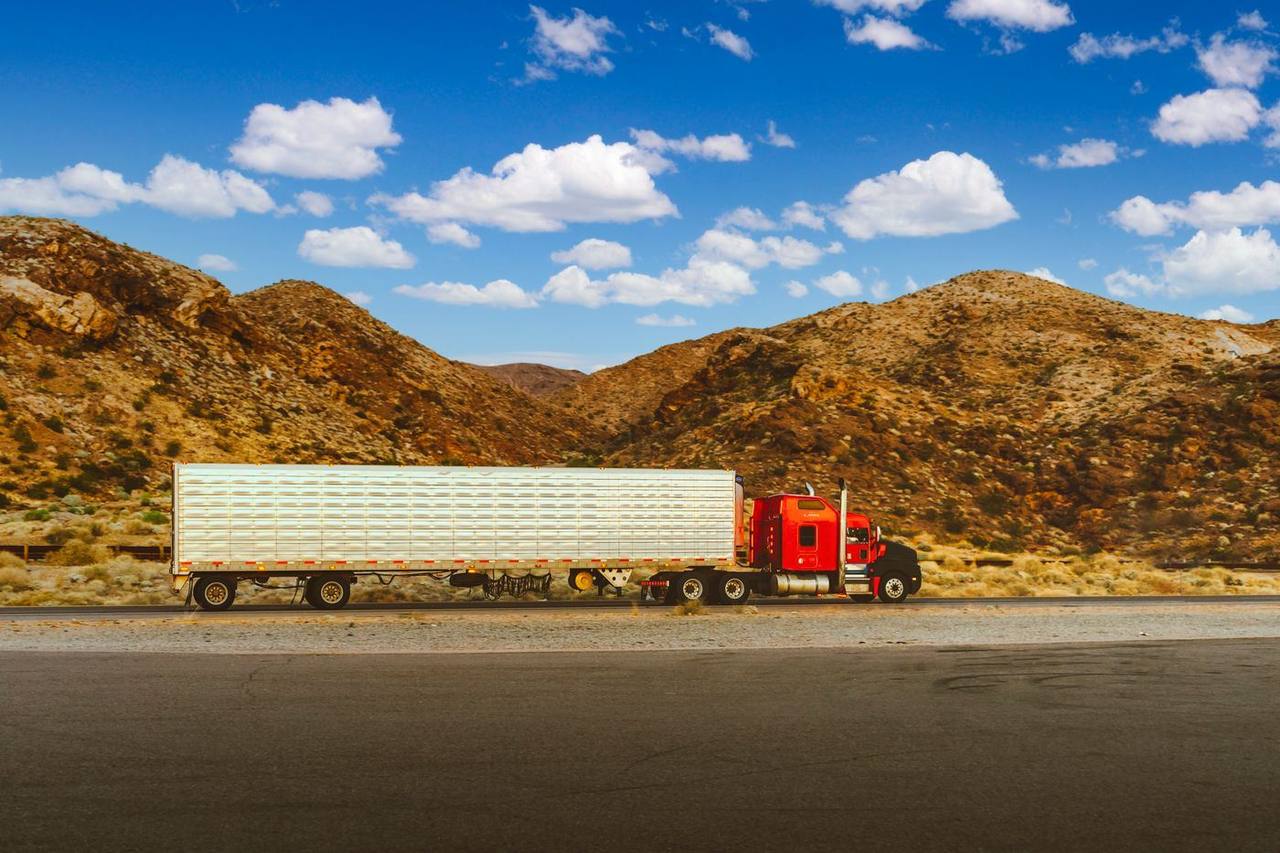
A collision with a loaded semi-truck or tractor-trailer is rarely "just a bigger car accident." A fully loaded commercial truck can weigh twenty times more than the passenger vehicles sharing the road with it, and that difference in size and force often means catastrophic injury or death rather than a fender bender. Truck crashes also come with a layer of law that an ordinary car accident case doesn't — federal trucking regulations, commercial insurance policies, and a driver's employer standing behind the wheel right alongside them.
Commercial truck drivers and the motor carriers that employ them are regulated by the Federal Motor Carrier Safety Administration. Rules under 49 C.F.R. Part 395 limit how many hours a driver can be on the road before resting, and Part 396 requires regular vehicle inspection, maintenance, and repair. When a trucking company or driver cuts corners on hours-of-service logs, skips a required inspection, or ignores a known mechanical problem, that violation often becomes central evidence of negligence in a Kansas injury claim.
Time matters in truck crash cases in a way it doesn't in an ordinary collision. Modern trucks carry an electronic control module—often called a "black box"—that records speed, braking, and engine data in the moments before a crash, along with GPS and telematics logs. Trucking companies routinely overwrite or delete this data on a set schedule, and driver logs, dispatch records, and maintenance files can disappear just as fast. I move quickly to send preservation letters demanding that this evidence be kept, because once it's gone, it's usually gone for good. I also look past the driver to every party who may share responsibility—the motor carrier, a cargo loading company if improper loading caused a rollover or shifting weight, a third-party maintenance contractor, or even a parts supplier.
As a Kansas-licensed attorney practicing with Smith Law Firm in Topeka, I help clients across the state understand how Kansas law applies to their situation. Kansas follows a modified comparative fault rule under K.S.A. 60-258a, meaning a person found 50% or more at fault cannot recover—so how liability gets divided among a driver, a carrier, and other parties can matter a great deal. Kansas injury claims are also subject to a filing deadline, generally two years under K.S.A. 60-513, though the details can shift depending on the facts, which is one more reason not to wait to talk with someone. I work with clients in Topeka, Junction City, Manhattan, and communities throughout Kansas, and I'm always direct about how the process works and what a case may—or may not—be able to accomplish.
How I approach truck accident matters
- Send prompt evidence-preservation letters for black box/ECM data, driver logs, and inspection records before they're altered or destroyed.
- Investigate every potentially responsible party—not just the driver, but the trucking company, cargo loader, and maintenance contractors.
- Review hours-of-service records and FMCSA compliance history for signs of fatigue, neglected maintenance, or regulatory violations.
No attorney can guarantee an outcome, and past results of any attorney do not guarantee a similar result in your case. This page is general information, not legal advice for your specific circumstances. If you or someone you love was hurt in a truck or commercial vehicle collision, call (785) 234-2453 to talk about what happened.
Next step
Ready to talk about your Kansas matter?
Call or request a free case evaluation through Smith Law Firm. Every case is unique—past results do not guarantee future outcomes.